Spring is when a Central Kentucky yard wakes up, and what you do in these few weeks sets the tone for the whole season. Done in the right order, spring tasks give your lawn and beds a strong, clean start. Here is the checklist we run for our maintenance clients.
1. Clean up what winter left
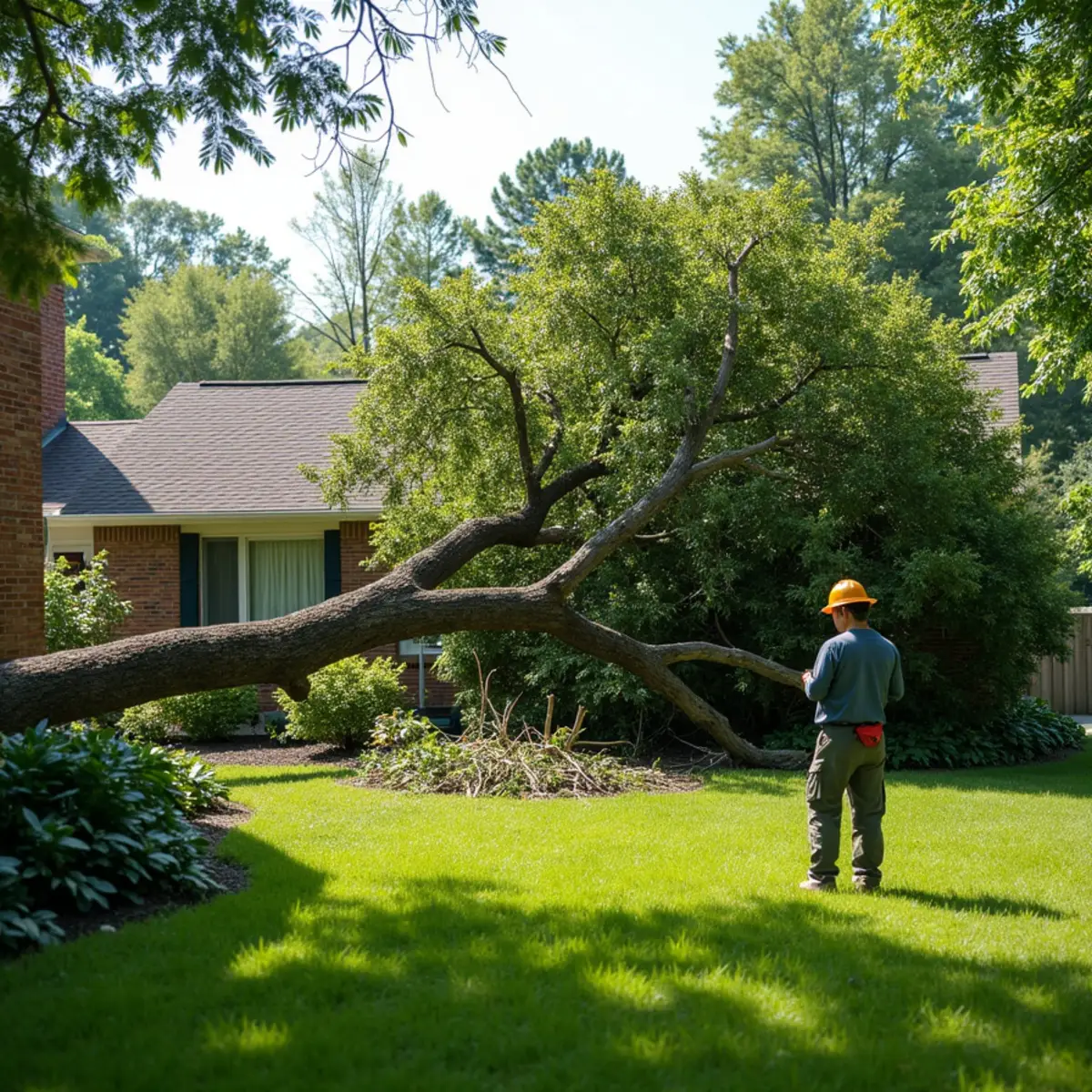
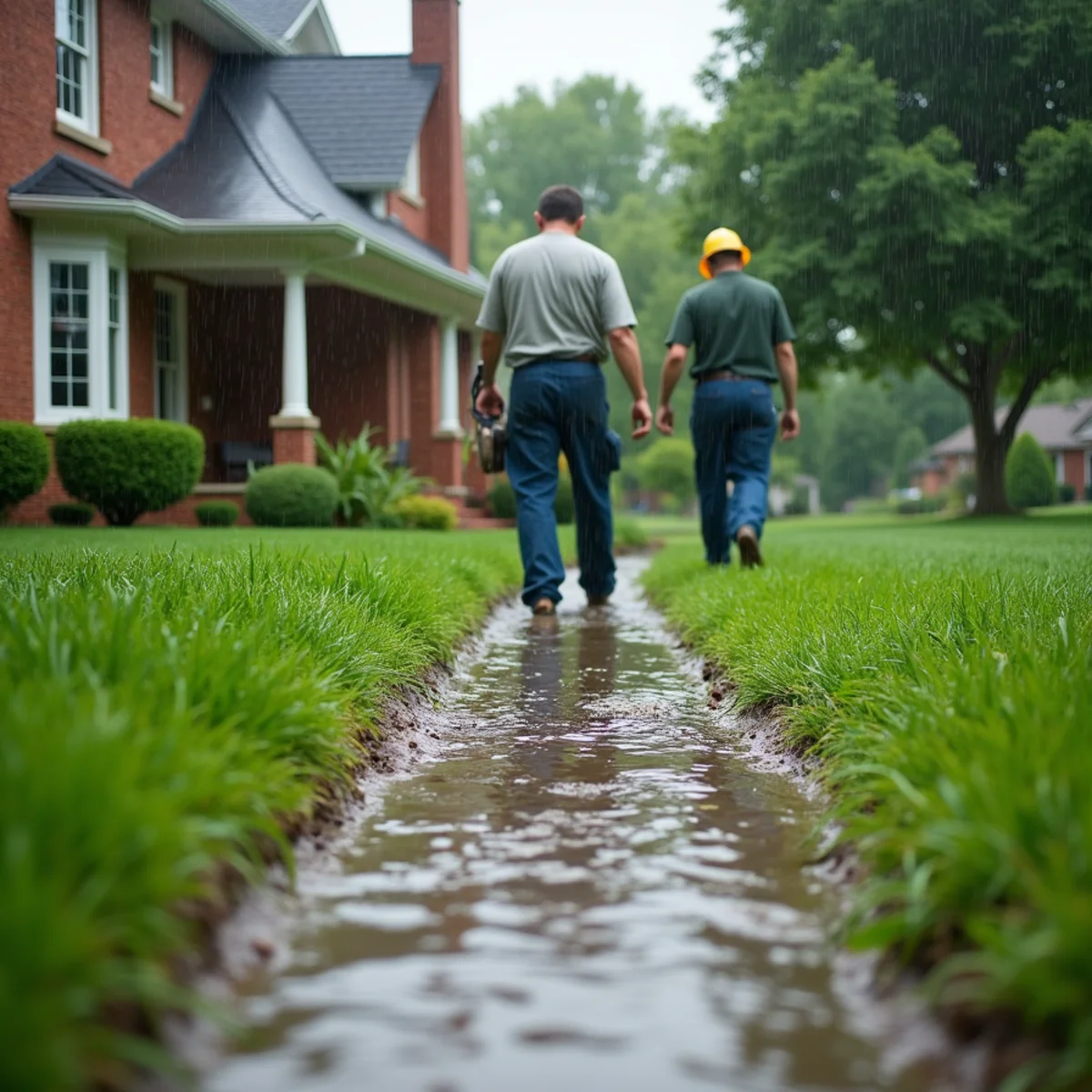
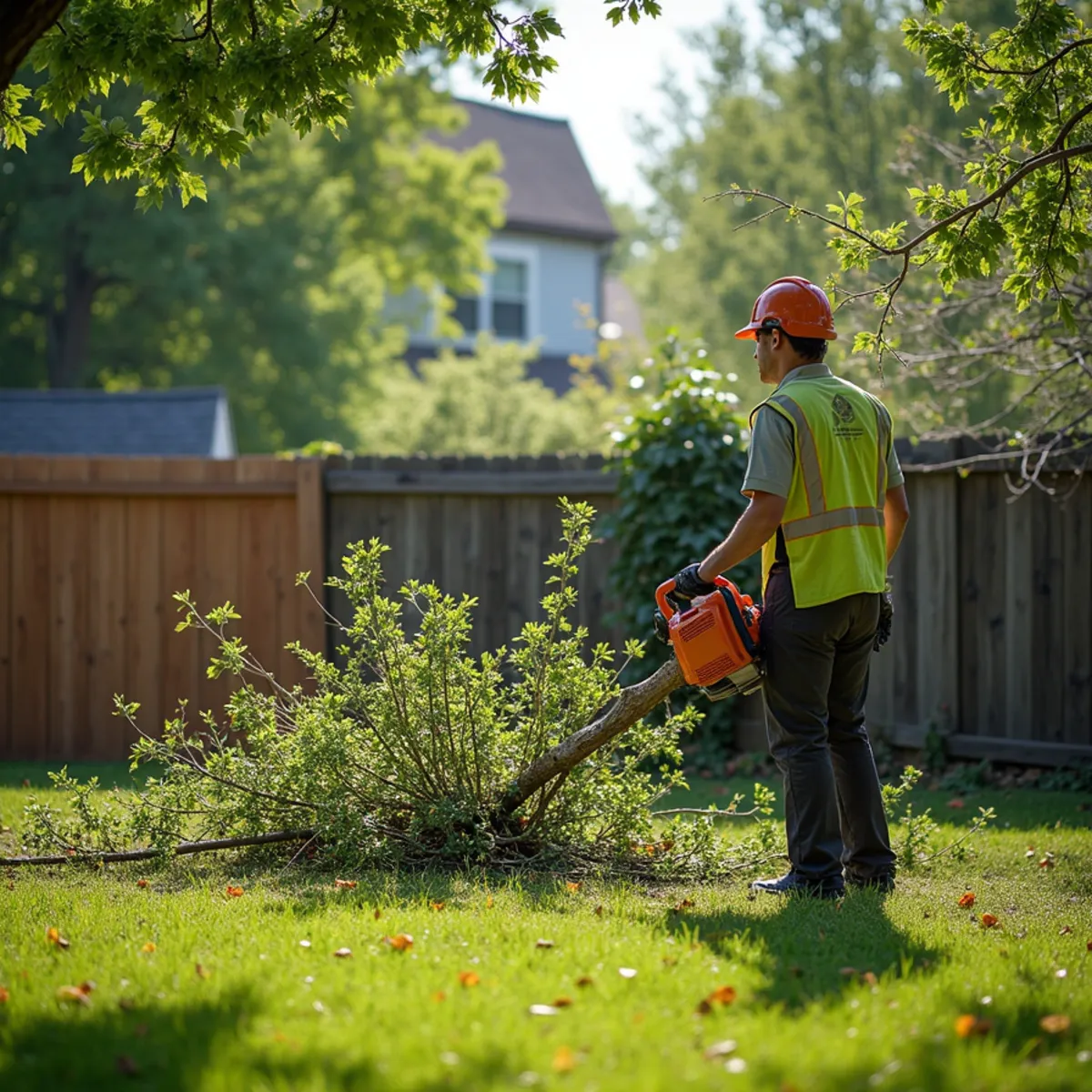
Start by clearing fallen branches, matted leaves, and storm debris. Raking lightly lifts matted grass and pulls out dead thatch so air and light reach the crowns. This is also the moment to spot winter damage — heaved pavers, broken limbs, or bare turf patches — before the growing season hides them.
2. Edge and refresh the beds
Cut a clean edge on the landscape beds, pull early weeds, and refresh mulch to a two-to-three-inch depth. Doing beds early, before plants leaf out fully, is easier and instantly sharpens the whole property’s appearance.
3. Aerate, seed, and feed — in order
- Aerate compacted clay to open the soil to air, water, and roots.
- Overseed thin areas right after aeration so seed drops into the holes.
- Feed with an appropriate spring fertilizer to fuel green-up.
- Time pre-emergent weed control carefully — it can conflict with new seed, so sequence matters.
4. Set up the mowing routine
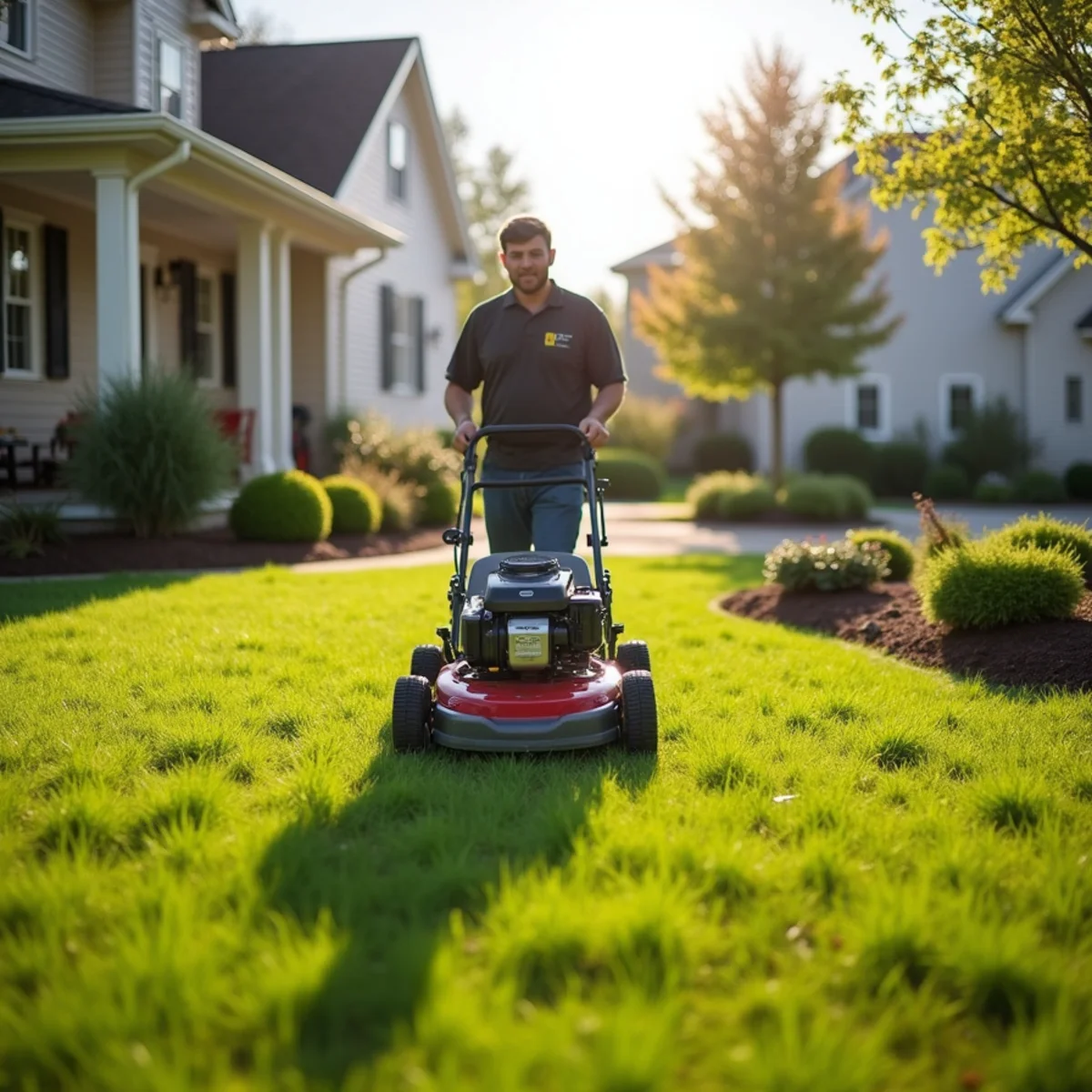
As growth picks up, start mowing at the correct height and never remove more than about a third of the blade at once. In spring the lawn grows fast, so weekly mowing keeps it healthy. Getting on a consistent schedule now prevents the scalping and stress that come from letting it get away from you.
A note on sequencing
The order matters. Seeding and pre-emergent weed control can work against each other, and feeding at the wrong time wastes product. If you would rather not juggle the timing, this is exactly the kind of program we build and run so each step happens at the right moment.
Field notes: the sequencing mistake that wastes a spring
The most common spring misstep we see is well-intentioned but self-defeating: overseeding and applying a crabgrass pre-emergent at the same time. Most pre-emergents cannot tell the difference between crabgrass and your new grass seed, so they block both. Getting spring right is less about the individual tasks than about the order — and that order changes depending on whether seeding or weed prevention is your priority this year.
The other thing worth saying honestly is that spring is not the ideal time to renovate a cool-season lawn — fall is. Spring is for waking the lawn up, cleaning up winter, and setting the mowing and feeding rhythm. If your lawn needs a real rescue, spring gets it through the season and fall does the heavy lifting. Knowing that keeps you from spending money on spring seed that summer heat will undo.
The Bottom Line
A great spring lawn is about sequence, not effort — clean up, edge and mulch, then aerate, seed, and feed in the right order for your goal. Get that right and the whole season runs easier. Hernandez Landscaping runs spring programs across Georgetown and Lexington.
How Hernandez Landscaping Can Help
We put this into practice every day across Central Kentucky. Explore our seasonal spring and fall cleanups and mulch installation and bed care, or see how we serve lawns in Georgetown and the Lexington area.
Call (323) 606-0255Frequently Asked Questions
Generally no. Most pre-emergent herbicides also stop grass seed from germinating, so doing both at once wastes one of them. You have to sequence them — which is a big reason spring lawn care benefits from a plan rather than dumping everything on at once.
Fall, for cool-season grasses. Warm soil and cooling air let seed establish before winter. Spring seeding can work but fights summer heat soon after. Use spring to recover and maintain; use fall to rebuild.
Both can work, but fall is ideal for cool-season lawns paired with overseeding. Spring aeration helps compacted clay; just be careful sequencing it with pre-emergent weed control and new seed.
Generally no — most pre-emergents also prevent grass seed from germinating. The timing has to be sequenced, which is a common reason to let a pro plan the spring program.
Written by the Hernandez Landscaping team
We’re a locally owned, insured landscaping company that has designed, built, and maintained Central Kentucky properties since 2010. This guide reflects hands-on experience with Georgetown’s Zone 6b climate, clay soil, and freeze-thaw winters — not generic advice.
Sources & standards
Our recommendations draw on University of Kentucky turf guidance, EPA WaterSense irrigation principles, and USDA hardiness & soil data.