After a storm takes down a tree, the second question — right after safety — is usually about money: will insurance cover this? While every policy is different and we are landscapers, not insurance agents, there are well-established patterns that help you know what to expect and how to document your claim.
The key question: what did the tree hit?
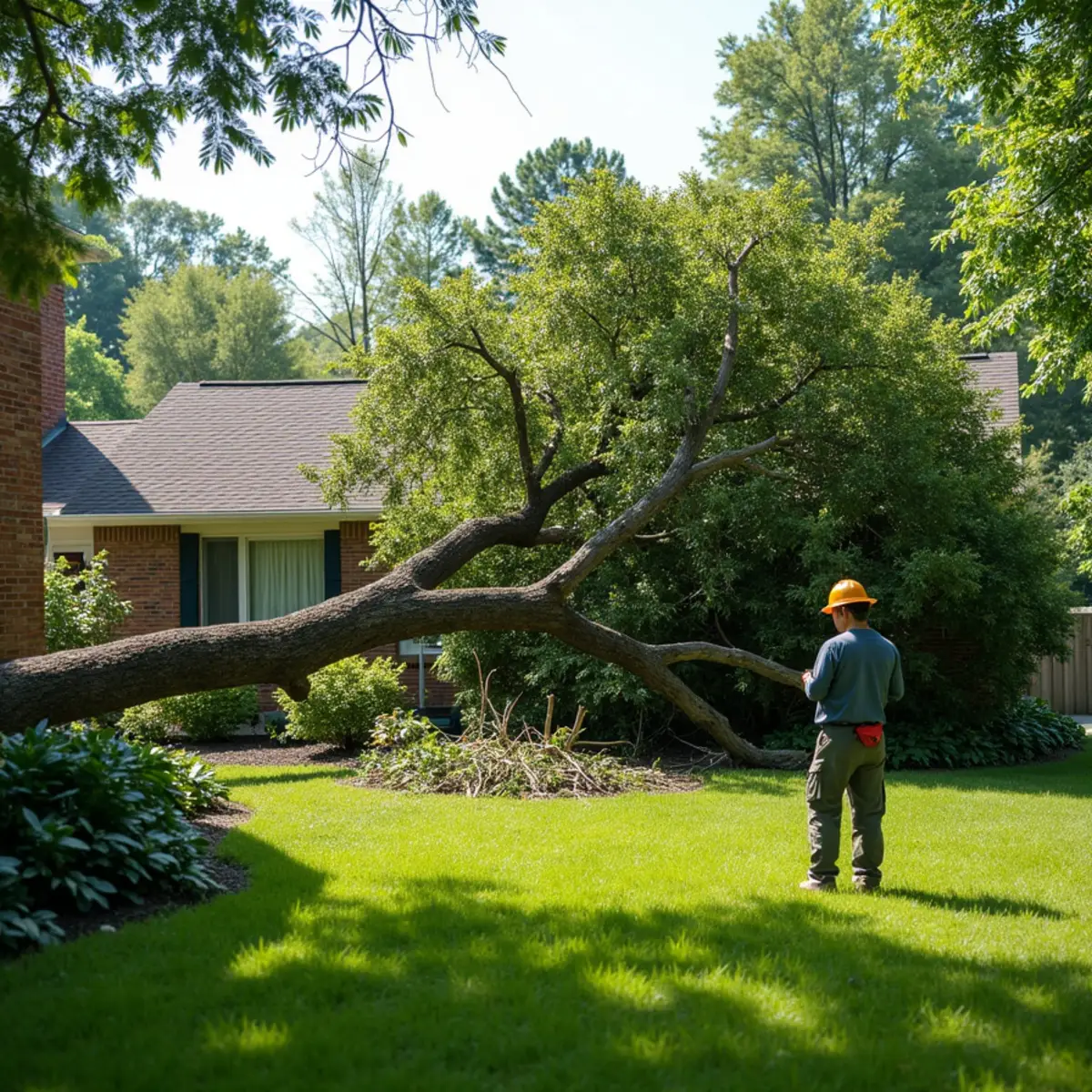
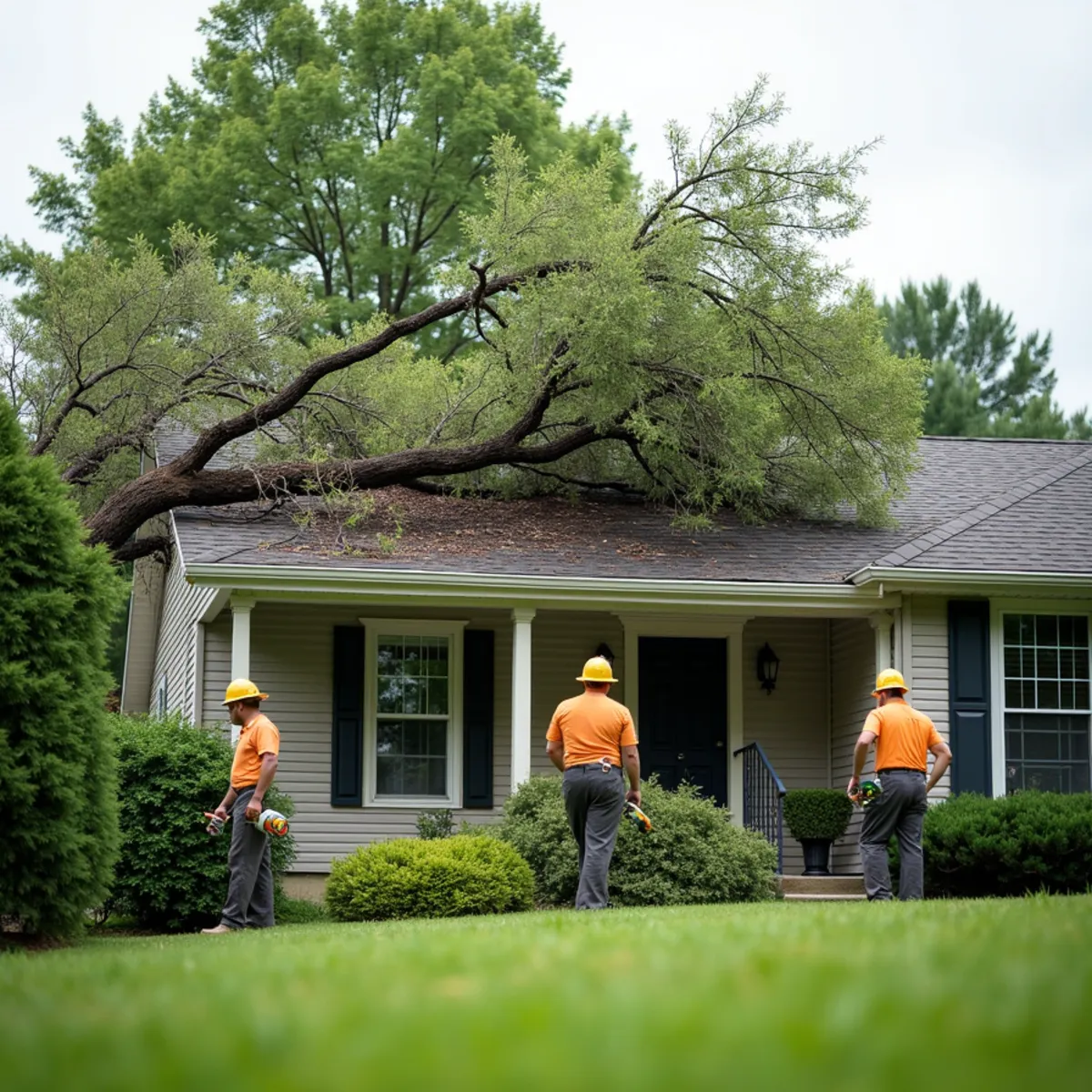
Coverage generally hinges on whether the fallen tree damaged an insured structure. If a tree lands on your home, garage, shed, or fence, homeowners policies commonly cover both the structural repair and the tree removal, often up to a policy limit.
A tree that simply falls in the open yard, damaging nothing, is frequently not covered for removal — many policies view that as routine cleanup. The specifics depend on your policy and carrier.
Document everything, from safety
Before anything is moved, photograph and video the tree, what it landed on, and the surrounding area. Wide shots establish context; close-ups show the damage. Keep records of the storm date and any related events. This documentation is what turns a claim from a debate into a straightforward approval.
How we support your claim
- Detailed photo documentation of the damage and the removal work.
- Itemized written estimates you can submit to your insurer.
- Clear scope separating emergency stabilization from full removal and repair.
- Coordination with adjusters so the estimate reflects the actual work required.
Deductibles and timing
Remember your deductible: if removal and repair fall below it, filing may not make sense. And do not let a covered emergency wait for paperwork — making the property safe comes first. We stabilize the immediate hazard, document thoroughly, and complete the full scope once the claim is moving.
Field notes: the coverage line most people get wrong
The pattern we see over and over is simple: coverage usually follows damage to a structure. A tree that falls and crushes part of your roof, garage, or fence is commonly covered, removal included, up to a limit. A tree that falls in the open yard and hits nothing is frequently treated as routine cleanup and left to the homeowner. Knowing which situation you are in before you call saves a lot of confusion.
The other thing worth understanding is the deductible math. If the removal and repair total falls below your deductible, filing may cost you more in premium impact than it returns. We give itemized estimates precisely so you can make that call with real numbers rather than filing blind and hoping.
The Bottom Line
Insurance for storm trees comes down to one question — what did the tree hit — plus your deductible. Document before anything moves, get an itemized estimate, and file when the numbers justify it. Hernandez Landscaping supports claims with photos and detailed scopes across Scott and Fayette counties.
How Hernandez Landscaping Can Help
We put this into practice every day across Central Kentucky. Explore our professional tree service and removal and emergency fallen tree removal, or see how we serve Scott County homeowners and Fayette County and Lexington.
Call (323) 606-0255Frequently Asked Questions
If a healthy tree falls in a storm and damages an insured structure, removal is commonly covered. If it fell and damaged nothing, most policies treat removal as the homeowner's responsibility. Health matters less than what the tree landed on.
Clear photos of the tree as it fell, what it damaged, and the surrounding scene, plus an itemized estimate separating emergency stabilization from full removal and repair. We provide that documentation as part of the job so your claim moves smoothly.
Often not — many policies treat removal of a tree that damaged no structure as routine yard cleanup. Coverage is more likely when a structure is damaged. Check your specific policy.
Make the property safe first. We stabilize the hazard and document thoroughly, which supports the claim, then complete the full work once it is approved.
Written by the Hernandez Landscaping team
We’re a locally owned, insured landscaping company that has designed, built, and maintained Central Kentucky properties since 2010. This guide reflects hands-on experience with Georgetown’s Zone 6b climate, clay soil, and freeze-thaw winters — not generic advice.
Sources & standards
Our recommendations draw on University of Kentucky turf guidance, EPA WaterSense irrigation principles, and USDA hardiness & soil data.